
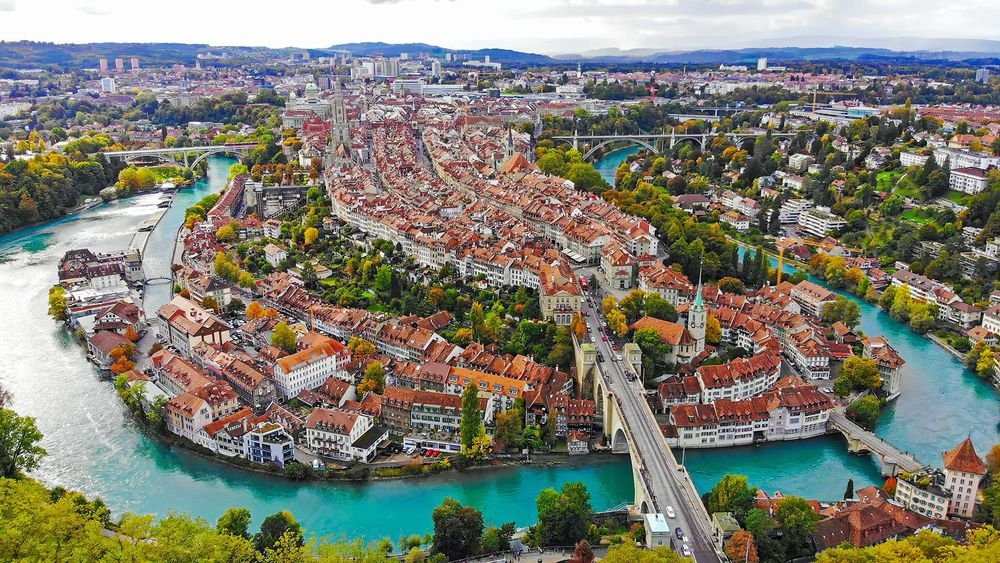
Switzerland
Swiss tradition reimagined by independents
A Brief History of Swiss Watchmaking
Britain pioneered the early innovations and America pioneered industrial production. Switzerland became the world leader by combining craftsmanship, precision, innovation and scale.
The Beginning
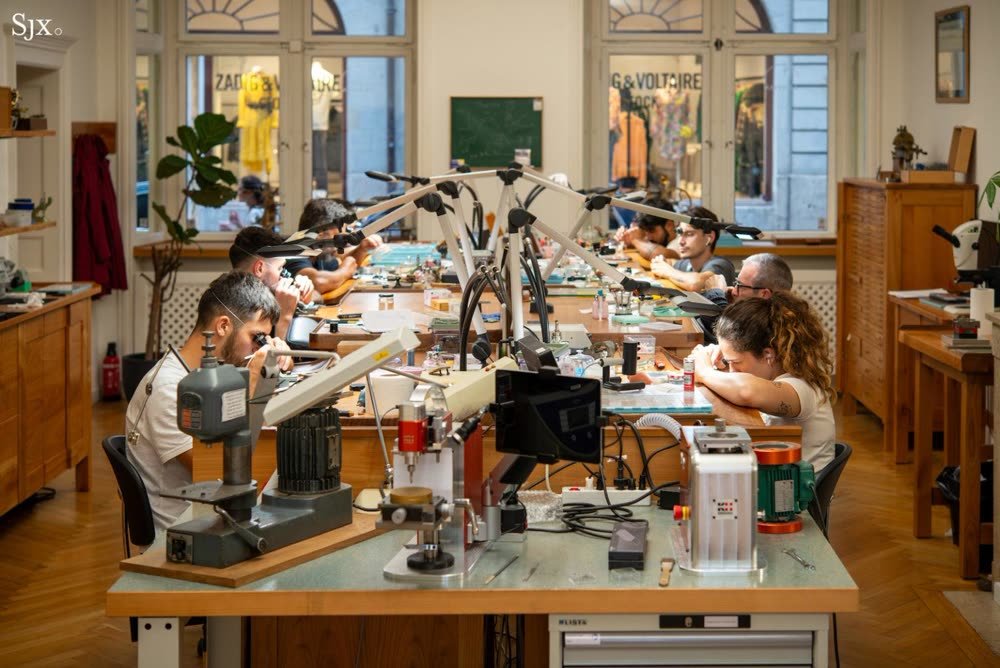
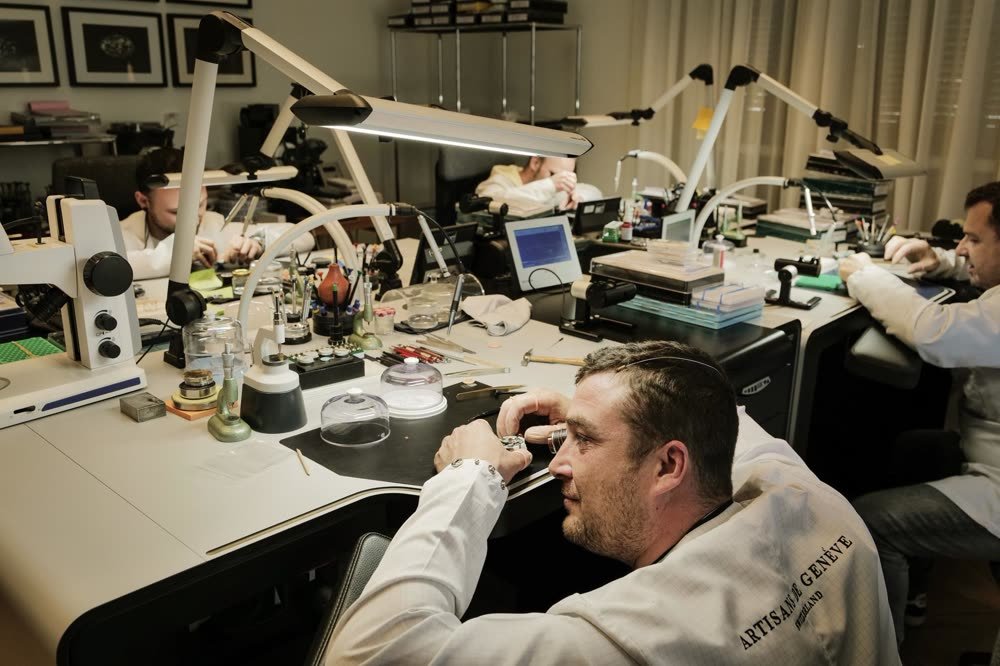
Swiss watchmaking began in Geneva in the 16th century. When reformer John Calvin restricted the wearing of jewellery, many Geneva jewellers turned their skills to watches — creating a new industry.
French Huguenot refugees fleeing persecution brought further expertise, and Geneva became one of Europe's leading watchmaking centres.
Growth of the Swiss Industry
Watchmaking spread from Geneva into the Jura Mountains — Neuchâtel, La Chaux-de-Fonds and Le Locle. Families made components in small workshops and homes, building the highly specialised network that still underpins Swiss watchmaking.
Daniel JeanRichard — Often called the father of the Swiss watch industry, he helped organise watch production in the Jura in the late 1600s.
The Great Swiss Houses
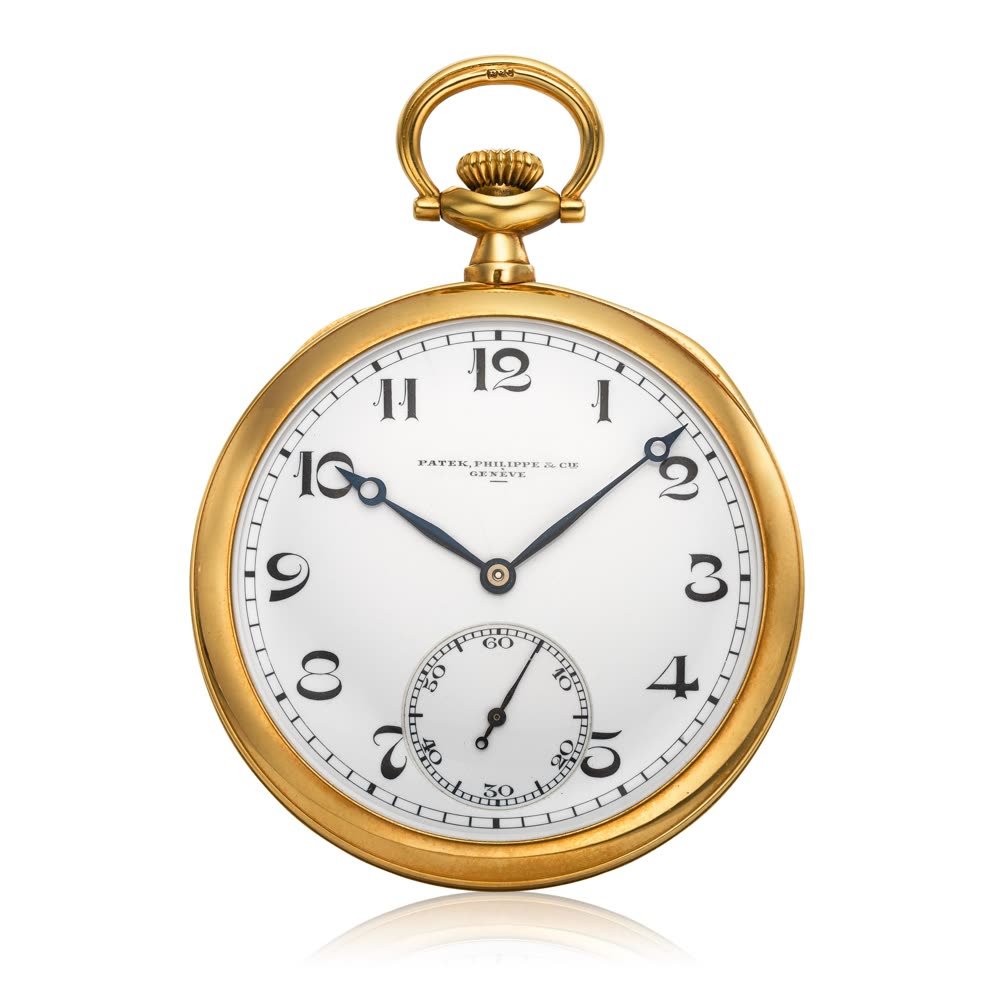
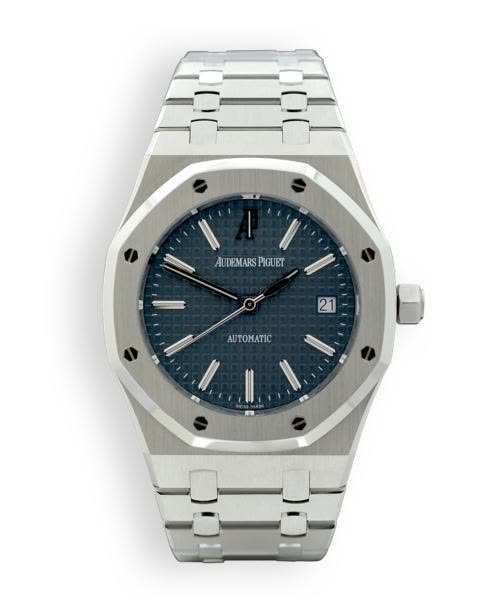
Legendary houses were founded one after another: Vacheron Constantin (1755), Longines (1832), Patek Philippe (1839), Omega (1848), IWC Schaffhausen (1868) and Audemars Piguet (1875). They combined traditional craftsmanship with growing industrial efficiency.
Rolex and the Modern Wristwatch
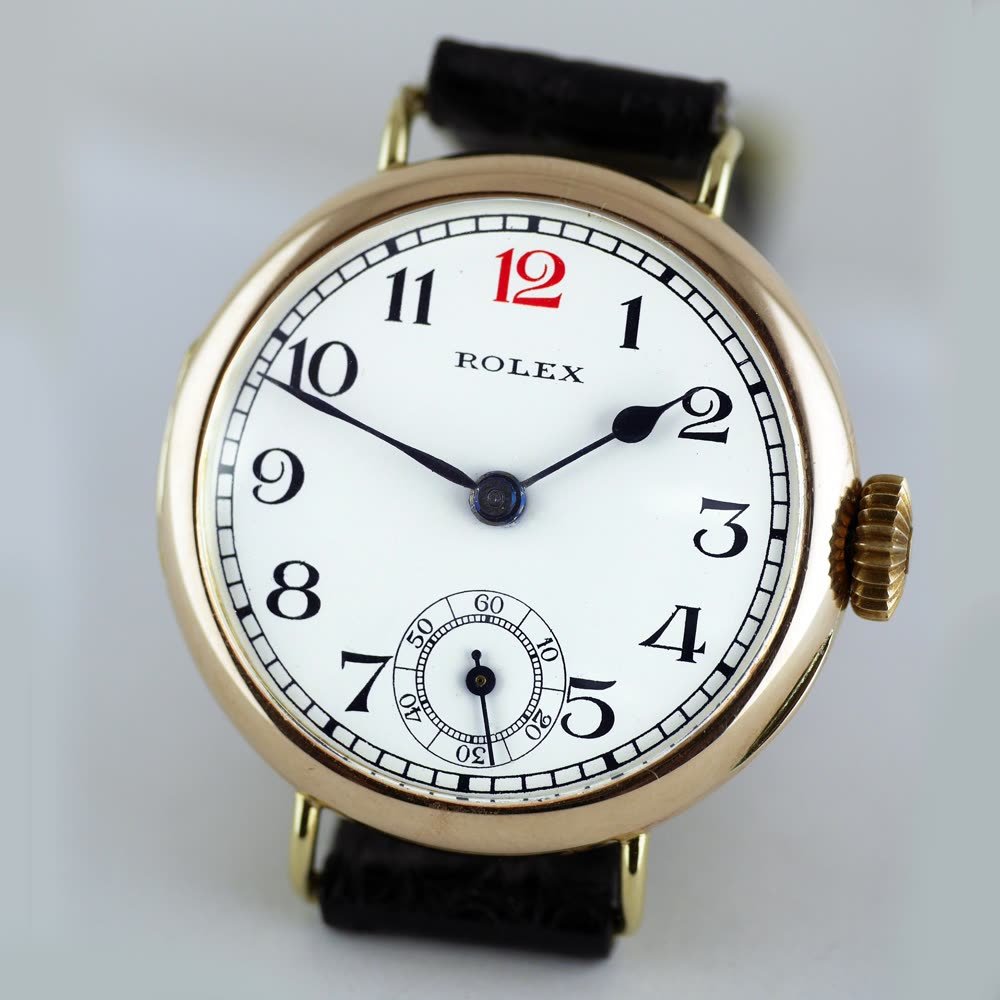
Hans Wilsdorf's Rolex helped define the modern luxury wristwatch.
- 1926 — the Oyster, one of the first successful waterproof wristwatches
- 1945 — Datejust
- 1953 — Submariner
- 1955 — GMT-Master
Swiss Dominance in Haute Horlogerie
Patek Philippe, Rolex, Audemars Piguet, Vacheron Constantin, Jaeger-LeCoultre and Omega made Swiss watches symbols of craftsmanship, prestige and status worldwide.
The Quartz Crisis
The biggest challenge in Swiss history came from Japan. After Seiko released the Astron in 1969, Swiss watchmaking employment fell dramatically, hundreds of companies disappeared, mechanical watches seemed outdated and the industry nearly collapsed.
The Swiss Revival
Switzerland survived by focusing on luxury, mechanical craftsmanship, heritage and innovation. Nicolas G. Hayek reorganised the industry around the Swatch Group, and the inexpensive Swatch itself helped revive Swiss manufacturing.
Switzerland Today
Switzerland makes only a small share of the world's watches by volume, yet dominates luxury watchmaking by value.
Most Important People
- Daniel JeanRichard
- Organiser of the Jura watch industry.
- Antoine Norbert de Patek
- Co-founder of Patek Philippe.
- Jean Adrien Philippe
- Co-founder of Patek Philippe.
- Hans Wilsdorf
- Founder of Rolex.
- Nicolas G. Hayek
- Architect of the Swiss revival.
Timeline
- 1500s
- Watchmaking begins in Geneva
- Late 1600s
- Daniel JeanRichard develops the Jura industry
- 1755
- Vacheron Constantin founded
- 1839
- Patek Philippe founded
- 1905
- Rolex founded
- 1926
- Rolex Oyster introduced
- 1969
- The Quartz Crisis begins with the Seiko Astron
- 1980s
- Swiss revival under Hayek
- Today
- Switzerland leads global luxury watchmaking
Precision craftsmanship · Luxury watchmaking · Grand complications · Manufacturing expertise · Preservation of mechanical watchmaking
Daniel JeanRichard → Patek Philippe → Rolex → Audemars Piguet → Modern Haute Horlogerie