Germany
A Brief History of German Watchmaking
If Switzerland is known for luxury and Japan for technology, Germany is known for engineering, precision, craftsmanship and technical excellence.
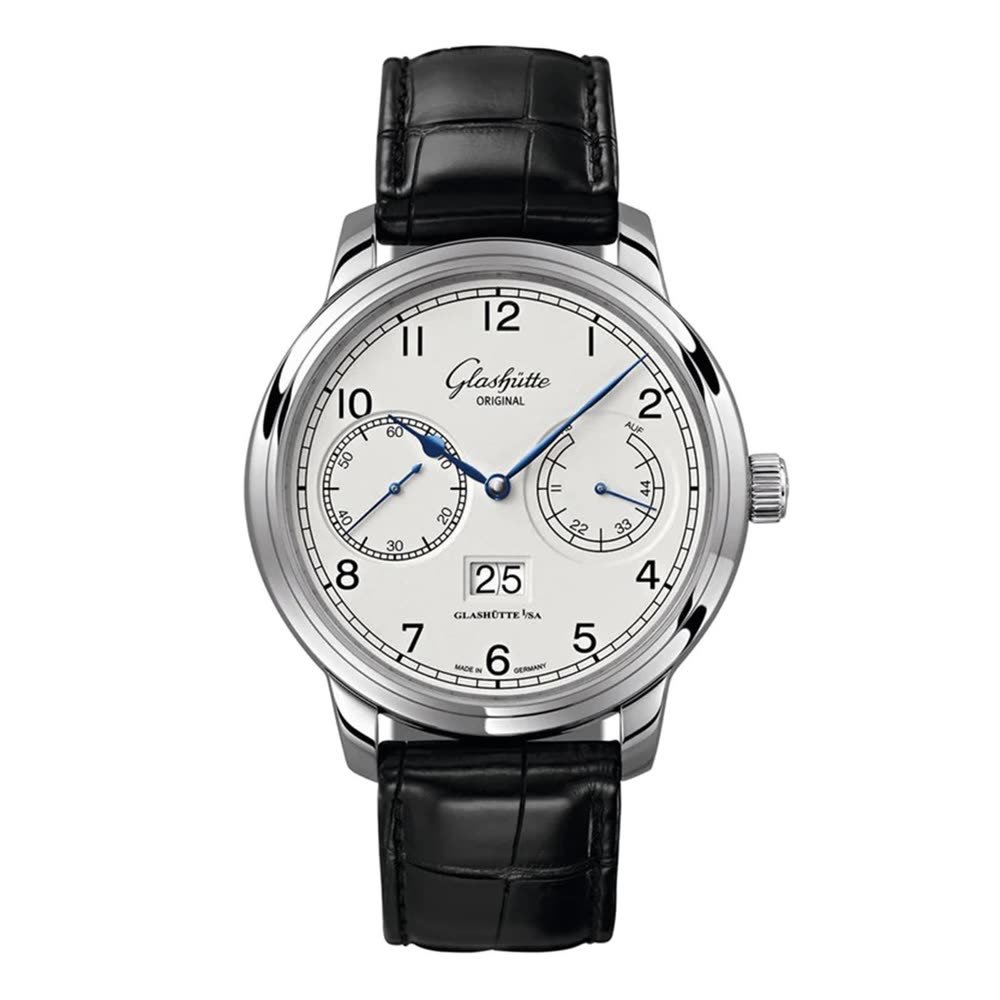
The Beginning — Glashütte
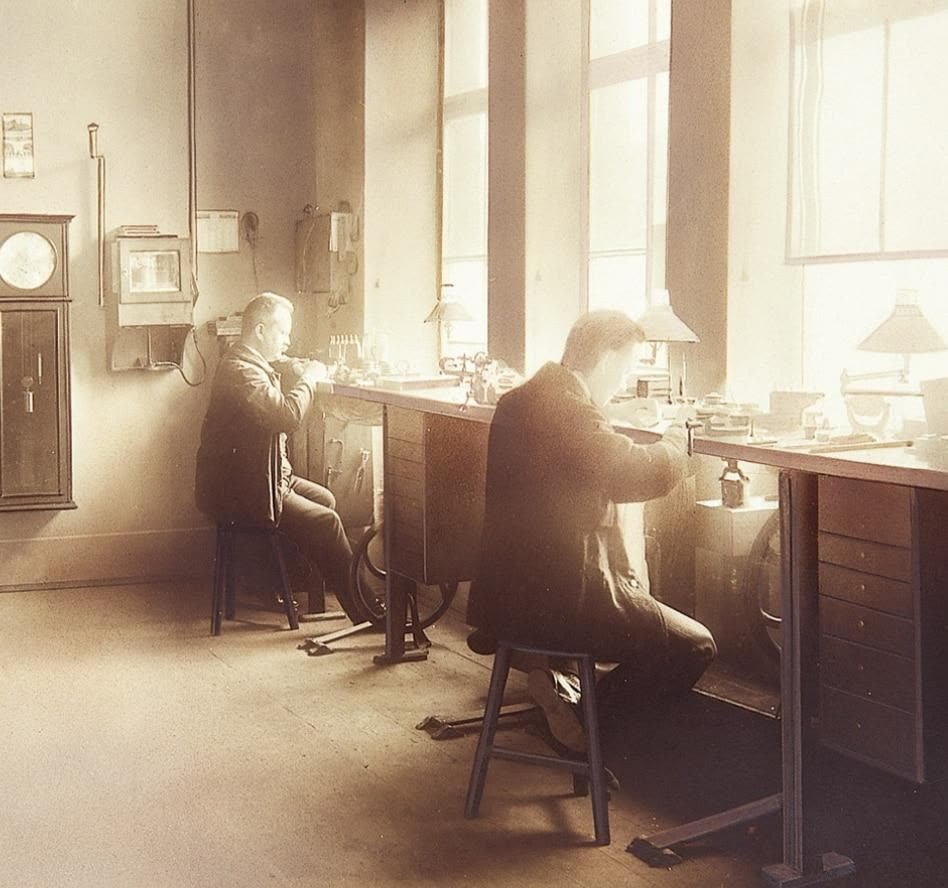
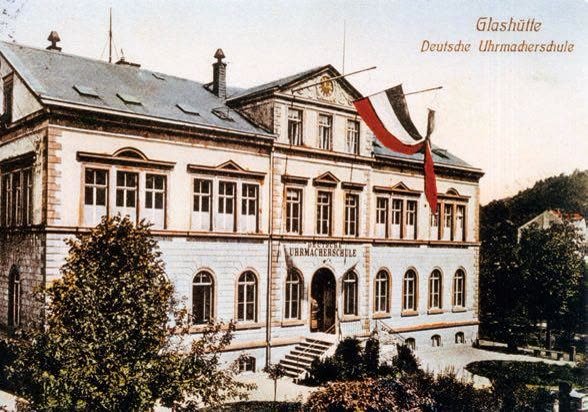
German watchmaking is centred on the small Saxon town of Glashütte. In 1845 master watchmaker Ferdinand Adolph Lange moved there to create skilled jobs and build a world-class German watch industry. That year is generally considered the birth of modern German watchmaking.
Building the Glashütte School
Lange trained local craftsmen and created an entire watchmaking ecosystem. Pioneers such as Julius Assmann, Moritz Grossmann and Adolf Schneider followed, and together they made Glashütte Germany's watchmaking capital.
The German Character
German watches became known for precision engineering, functional design, high-quality finishing and strong technical construction. Their hallmarks remain the signature of high-end German watchmaking today:
- Three-quarter plates
- Hand-engraved balance cocks
- Glashütte ribbing
- Screwed gold chatons
World Wars and Difficult Years
German watchmaking endured World War I, the Great Depression and World War II. Afterwards Glashütte became part of East Germany, where the state nationalised the watch companies and merged them into VEB Glashütter Uhrenbetriebe — preserving the skills, but limiting competition and innovation.
Rebirth After Reunification
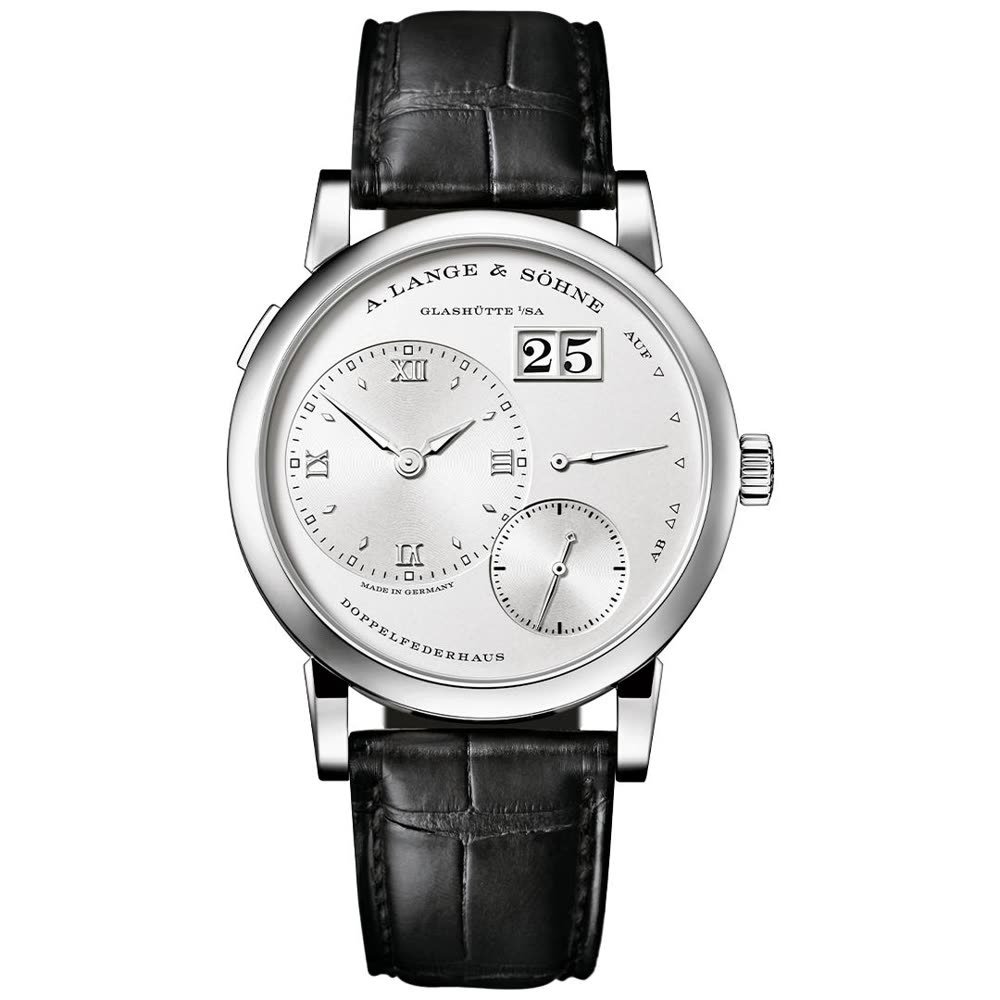
After the fall of the Berlin Wall, watchmaking returned to private hands. The most important revival was A. Lange & Söhne, re-established in 1990 by Walter Lange, great-grandson of Ferdinand Adolph Lange. It quickly became one of the most respected manufactures in the world — many collectors rank it alongside Patek Philippe and Vacheron Constantin.
Major German Watch Brands Today
A. Lange & Söhne — Germany's flagship, famous for the Lange 1 and the Datograph.
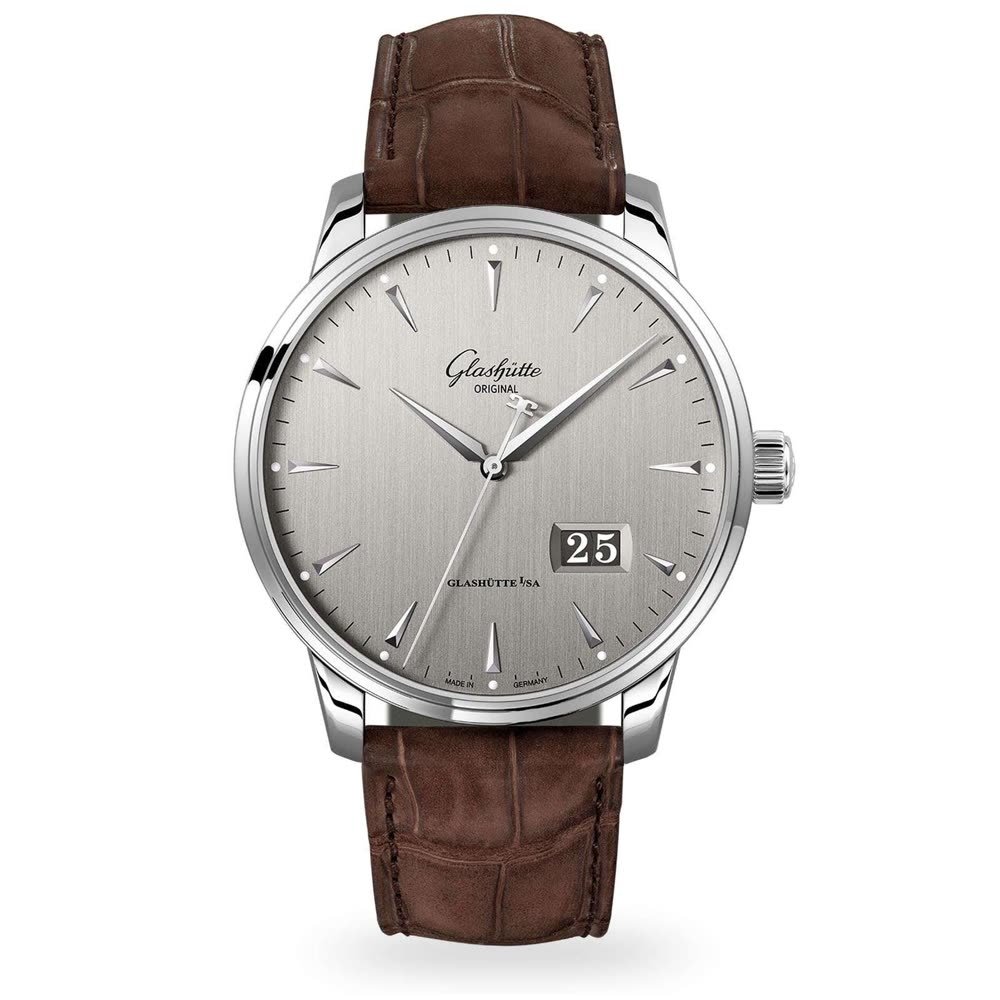
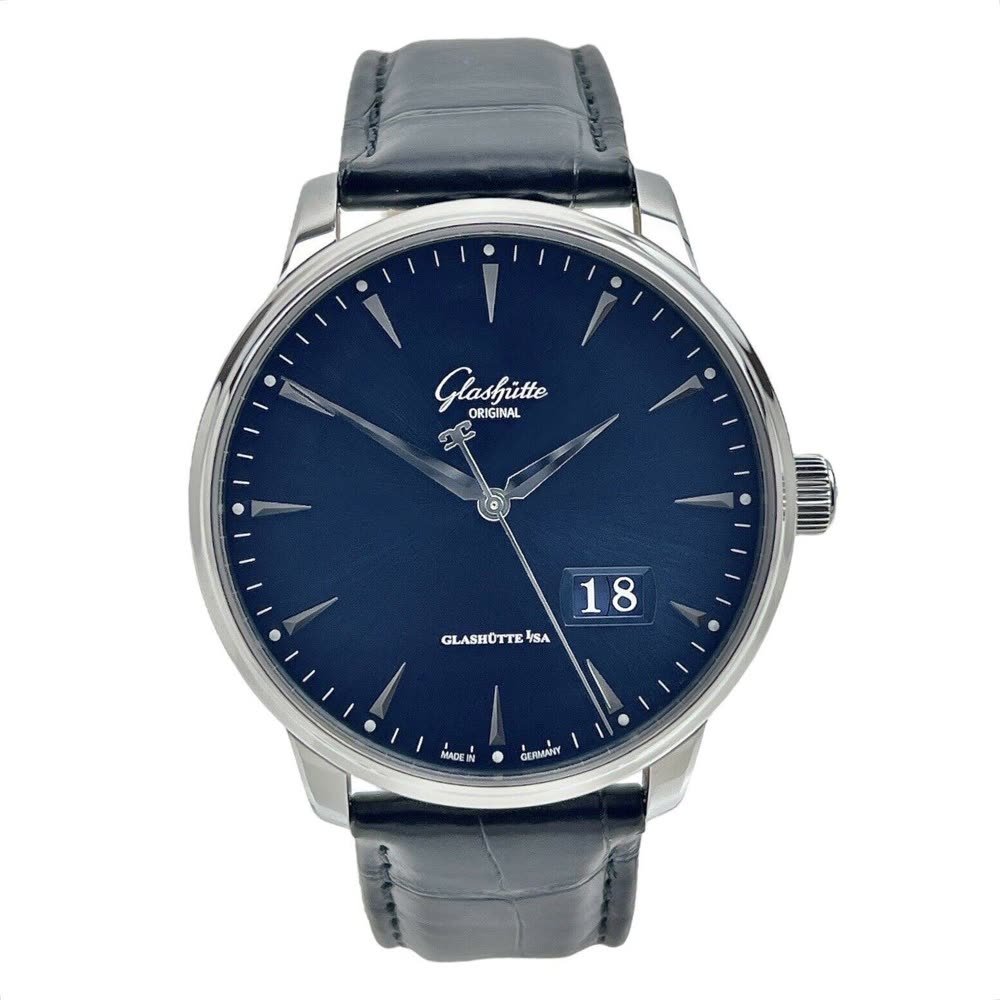
Glashütte Original — Direct descendant of the East German industry, making its own movements.
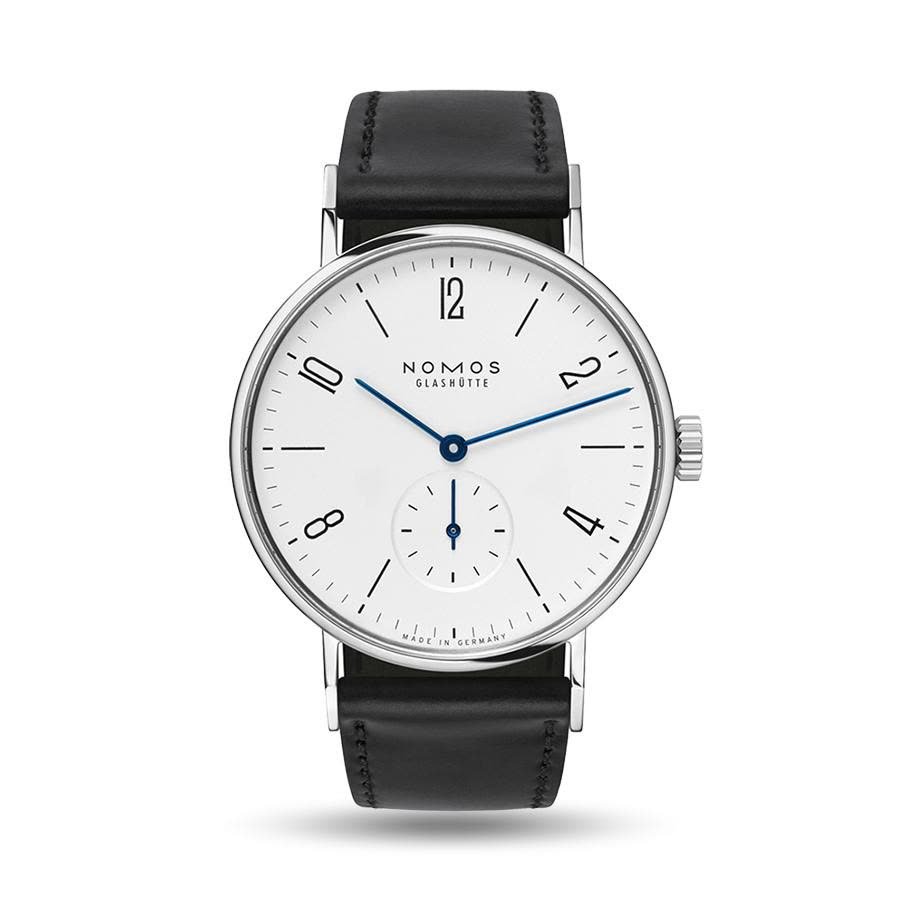
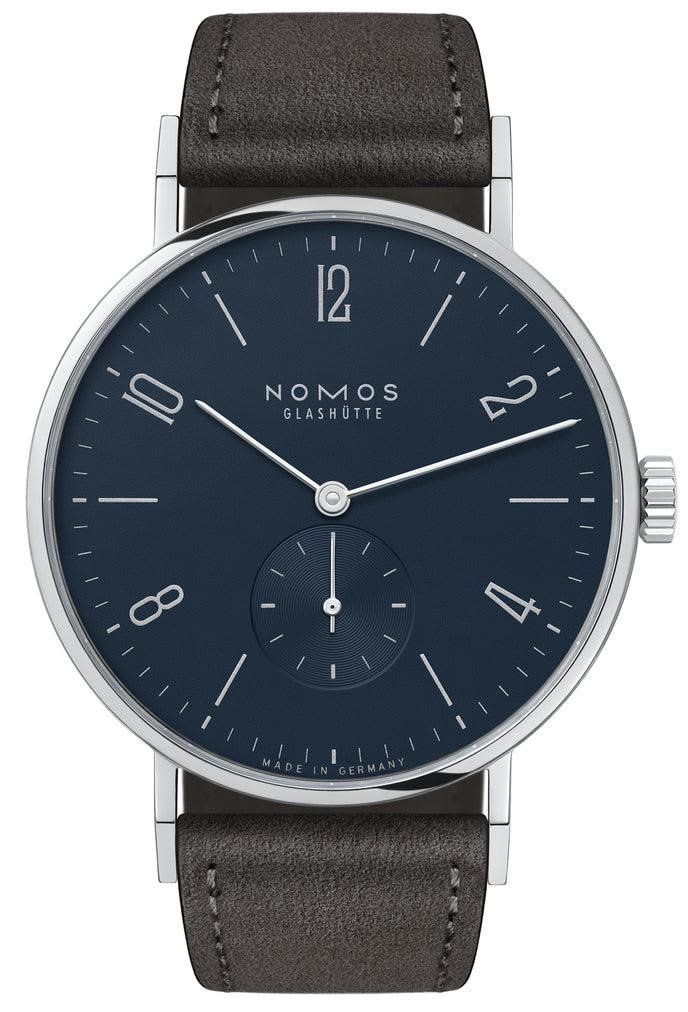
NOMOS Glashütte — Bauhaus-inspired design; one of Germany's largest mechanical watchmakers.
Sinn Spezialuhren — Tool watches and engineering innovation.
Junghans — Historic maker of precision clocks and Bauhaus design.
Moritz Grossmann — A modern revival of a historic Glashütte name.
Most Important People
- Ferdinand Adolph Lange
- The father of German watchmaking.
- Walter Lange
- Revived A. Lange & Söhne after reunification.
- Moritz Grossmann
- Glashütte pioneer and educator.
Timeline
- 1845
- F. A. Lange establishes watchmaking in Glashütte
- 1870s
- Glashütte becomes Germany's watchmaking centre
- 1945
- The industry falls under East German control
- 1951
- VEB Glashütter Uhrenbetriebe is created
- 1990
- A. Lange & Söhne is revived
- Today
- Germany — a global luxury watchmaking powerhouse
Precision engineering · Mechanical innovation · Technical excellence · Functional design · Hand craftsmanship
F. A. Lange → Glashütte → A. Lange & Söhne → NOMOS → Modern German Independents