
Japan
Precision and artistry from the Land of the Rising Sun
A Brief History of Japanese Watchmaking
Britain gave the world innovation and America gave it industry. Japan became famous for precision, reliability, efficiency and technological daring.
The Beginning
In 1881 Kintaro Hattori opened a watch and clock shop in Tokyo. His philosophy — "Always one step ahead of the rest" — guided the company that became Seiko, the most important name in Japanese watchmaking.
The Rise of Seiko
Seiko evolved from repairing and selling watches to making its own movements and complete watches.
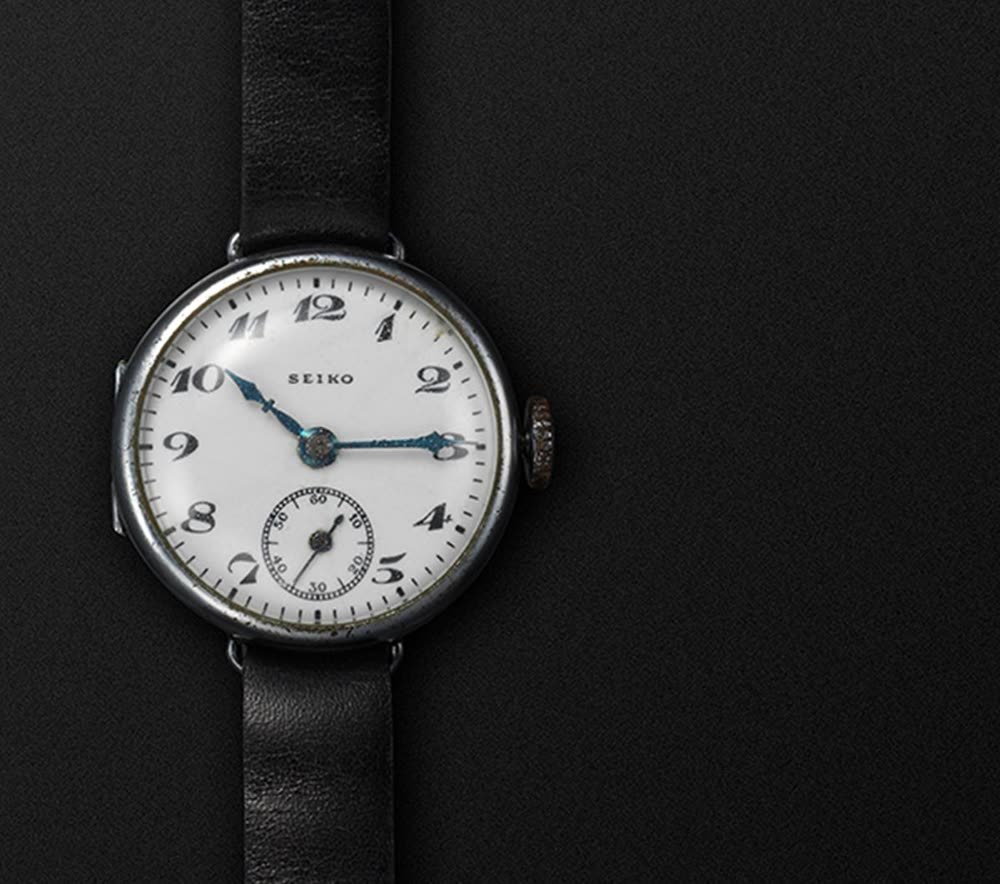
- 1913 — the Laurel, Japan's first wristwatch
- 1924 — the first watch carrying the Seiko name
- In-house movements and manufacturing
By the 1950s Seiko was competing in international precision contests traditionally dominated by Swiss makers.
The Quartz Revolution
Arguably the most important event in modern watch history. In 1969 Seiko released the Astron — the world's first commercially available quartz wristwatch, far more accurate than most mechanical watches.
Watches became cheaper, accuracy improved dramatically, and Swiss manufacturers suffered heavy losses through the 1970s and 1980s.
Expansion of Japanese Watchmaking
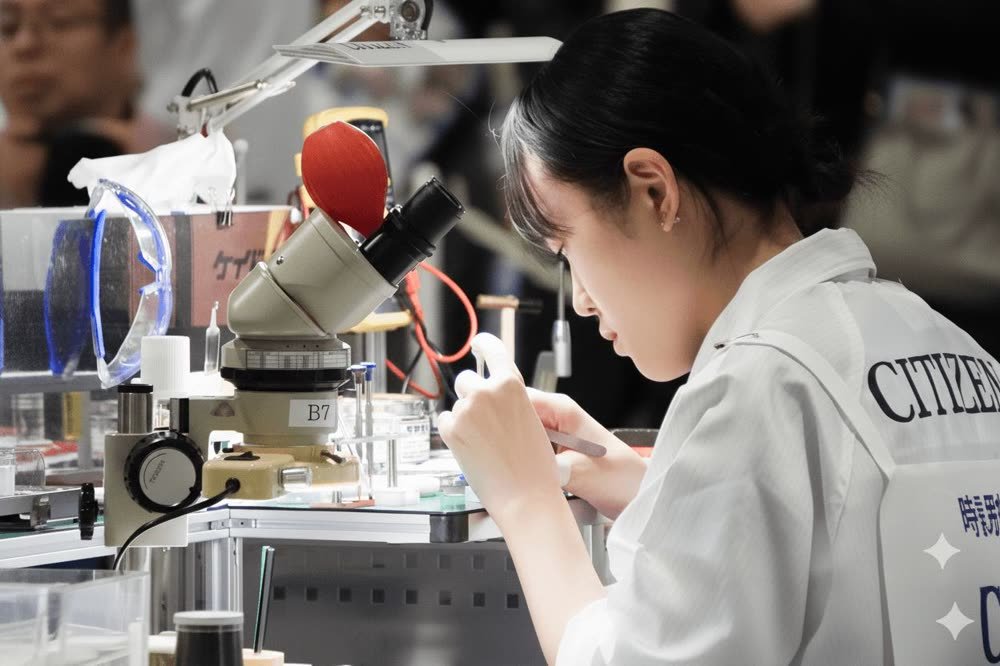
Citizen — Founded in 1918. Known for technical innovation, Eco-Drive solar technology and large-scale production.
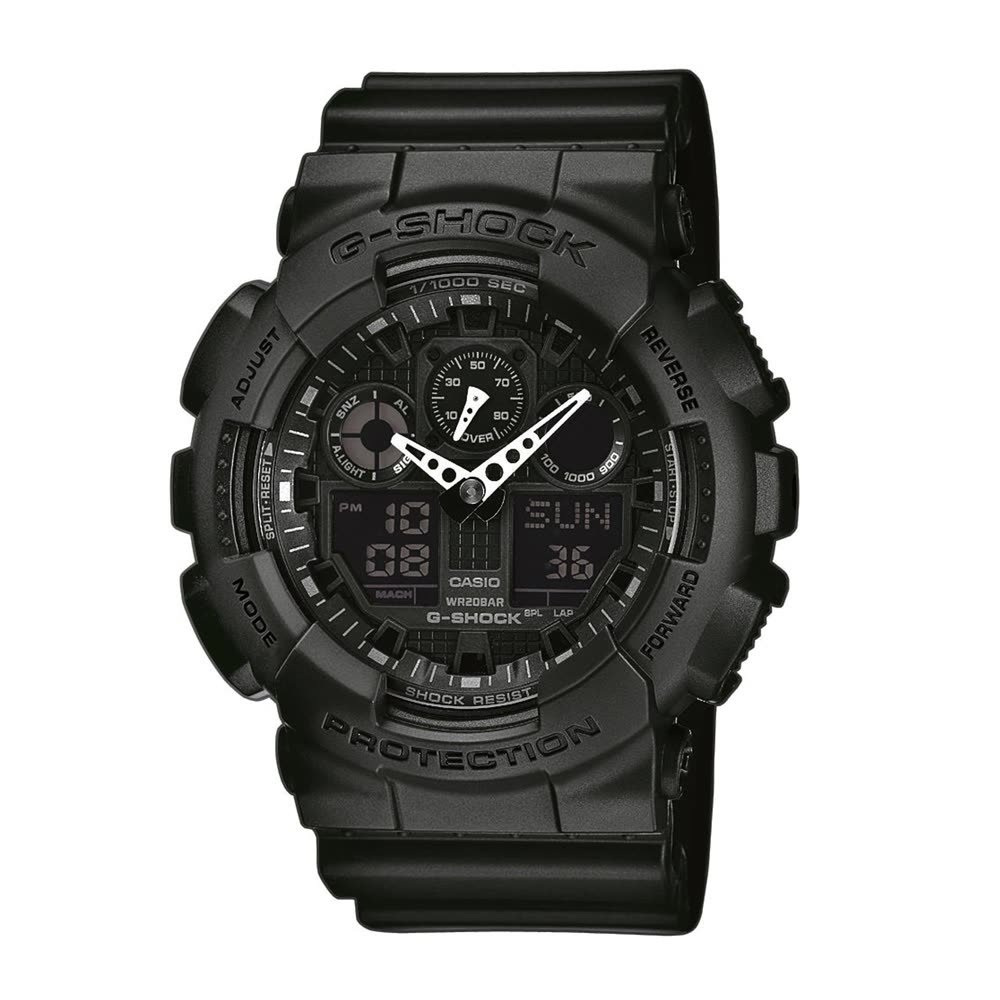
Casio — Founded in 1946. Famous for digital watches, calculator watches and the G-Shock.
Orient — Affordable in-house mechanical watches with exceptional value.
Grand Seiko and Luxury Watchmaking
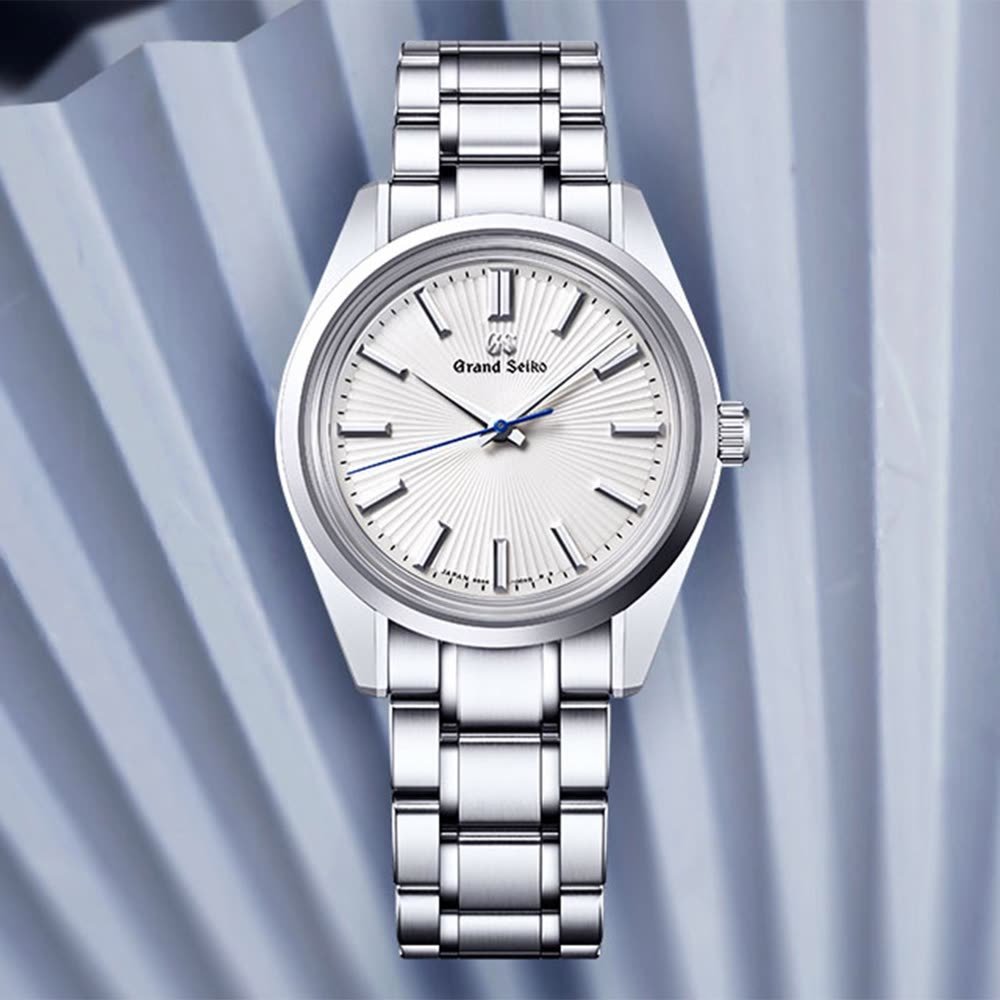
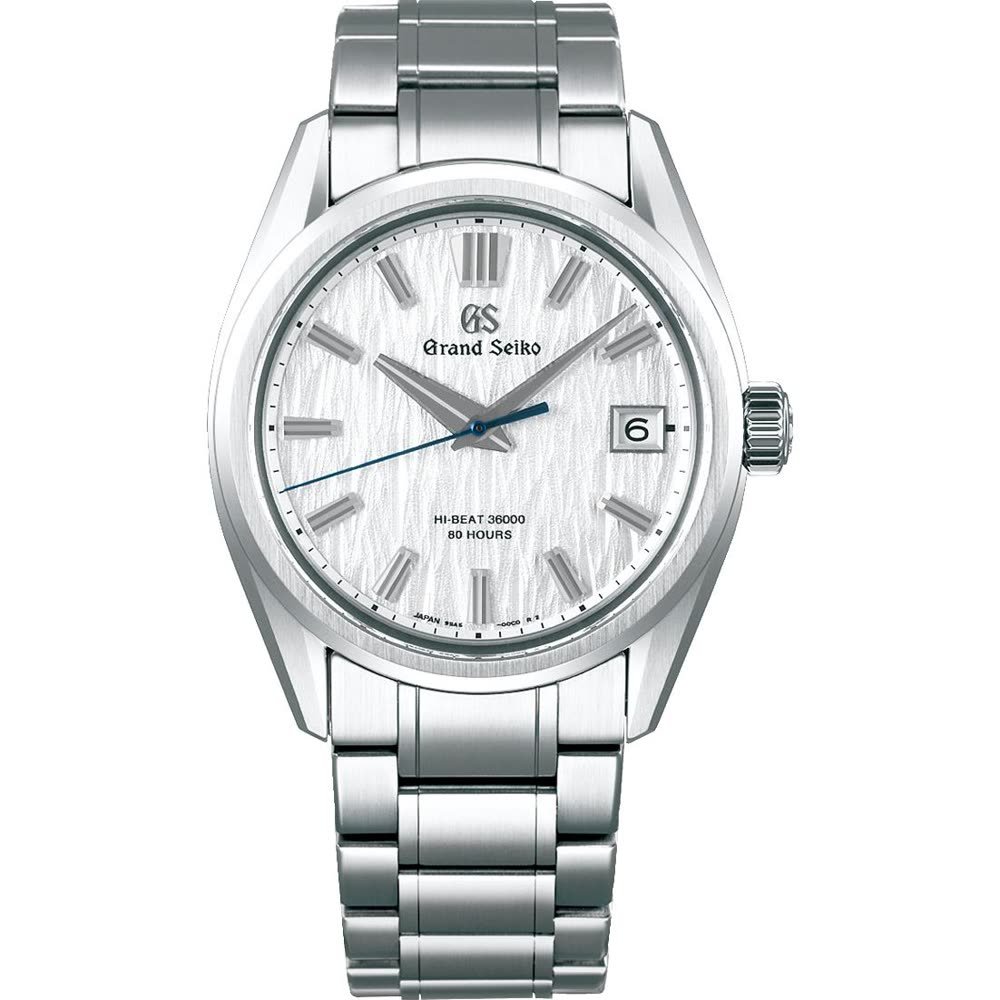
Grand Seiko was introduced in 1960 with one goal: to build the world's best practical watch. Today it is respected for exceptional finishing, high-accuracy movements, Spring Drive technology and a distinctly Japanese design philosophy — and many collectors see it as one of the strongest rivals to Swiss luxury.
Modern Japanese Watchmaking
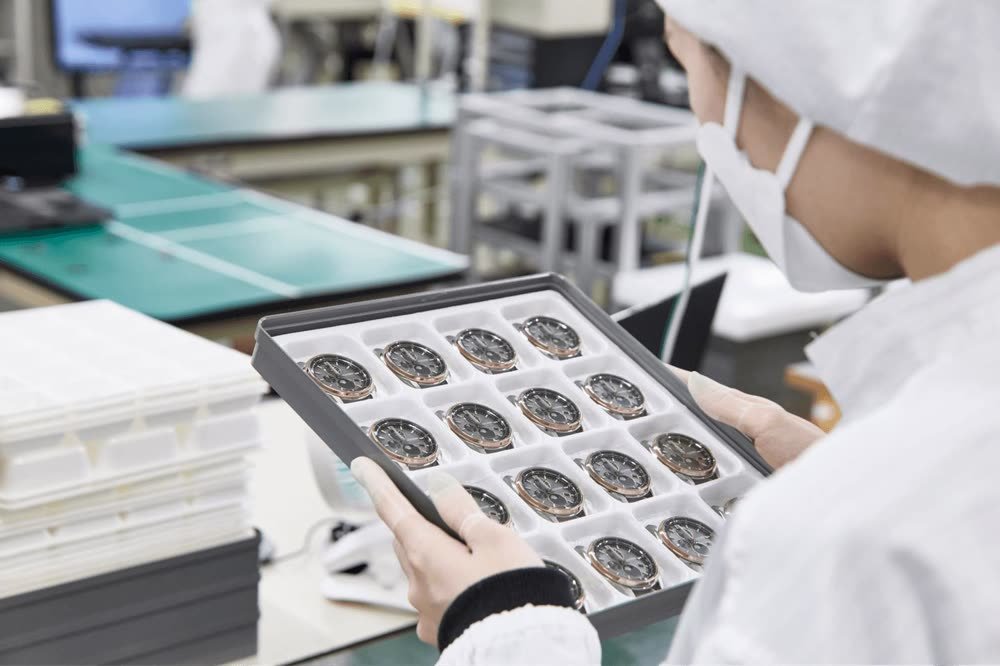
Japan remains one of the largest watch-producing countries in the world, strong in mechanical, quartz and digital watches alike. Alongside Seiko, Grand Seiko, Citizen, Casio and Orient, a new generation of independents — Minase, Kurono Tokyo and Hajime Asaoka — is drawing collectors' attention.
Most Important People
- Kintaro Hattori
- The father of Japanese watchmaking.
- Hajime Asaoka
- One of Japan's most respected modern independent watchmakers.
Timeline
- 1881
- Kintaro Hattori founds what becomes Seiko
- 1913
- Laurel — the first Japanese wristwatch
- 1960
- Grand Seiko — Japanese luxury watchmaking begins
- 1969
- Seiko Astron — the first quartz wristwatch
- 1983
- Casio G-Shock revolutionises rugged watches
- Today
- Grand Seiko, Citizen, Casio and the independents
Precision · Reliability · Kaizen — continuous improvement · Technical innovation · Value
Kintaro Hattori → Seiko Laurel → Grand Seiko → Seiko Astron → G-Shock